What Type of Garage Door Is Most Durable?
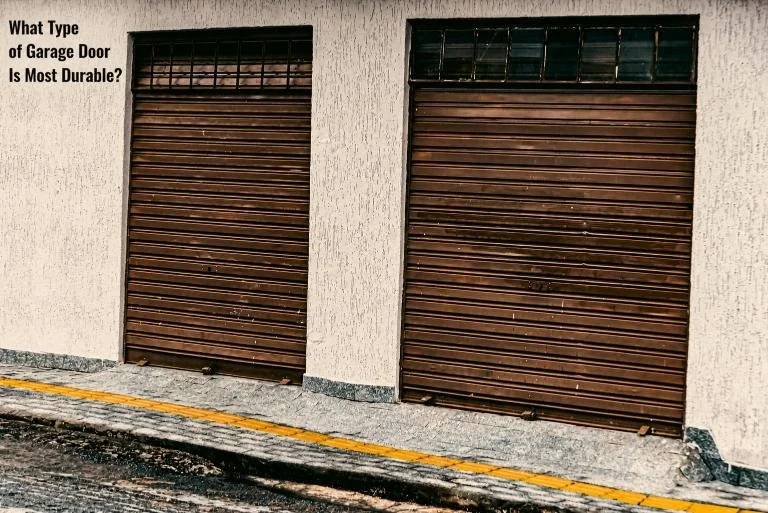
For most homeowners, steel is usually the material that holds up best over time. It handles daily use well, resists the weather better than many alternatives, and tends to give solid long-term value when the door is built with strong components. A professional garage door company in Arlington can also point out that durability is not only about the panel material. The hardware, track system, springs, insulation, and installation quality all contribute to how well the door lasts.
That is why the fuller answer depends on more than choosing steel and calling it done. Climate, how often the door opens and closes, and the grade of the parts used all affect how the system performs over the years. A well-built door with weak hardware can still wear out sooner than expected. This section explains what separates a garage door that keeps holding up from one that starts having problems early.
Why Material Alone Does Not Tell the Whole Story
Two steel doors can have very different lifespans depending on the gauge of the steel, the quality of the hardware, and how they were installed. A builder-grade steel door with plastic rollers and lightweight hinges will not perform the same as a commercial-grade door with steel ball-bearing rollers, oversized hinges, and heavy-duty tracking.
The same principle applies across all materials. What goes on the door matters as much as what the door is made of.
Steel: The Most Durable Choice for Most Homes
Steel garage doors are the most widely installed residential option for solid reasons. They resist impact, hold up in most climates, and require significantly less maintenance than wood. A well-constructed steel door will not warp, crack, or rot under normal use.
The key variable is the gauge. Thicker steel means better dent resistance. Commercial-grade doors use heavier steel than what you find at a big-box store, and that difference becomes visible after years of daily use.
We install doors from C.H.I., Door Link, and Amarr, all built with commercial-grade steel construction. These are not the doors stacked in a home improvement store. They are built for residential use with the same standards applied to commercial products: built to last.
Wood: Classic Look, Higher Maintenance Requirements
Wood doors offer a visual character that steel cannot fully replicate and can be customized in ways other materials cannot match. The tradeoff is maintenance. Wood expands and contracts with temperature and humidity changes, which means warping, cracking, and paint failure are genuine possibilities without regular upkeep.
In dry climates, wood can be a satisfying long-term choice for homeowners willing to refinish and inspect on a regular schedule. In humid or high-heat markets, the maintenance demands become significant.
Aluminum: Lightweight but Vulnerable to Dents
Aluminum doors are lighter than steel and naturally resistant to rust, making them a reasonable fit for coastal or very humid environments. The downside is impact resistance. Aluminum dents more easily than steel, and those dents are difficult to repair without replacing the panel.
For most inland residential applications, steel delivers better durability at a comparable price.
Fiberglass and Composite: Purpose-Built for Humid Climates
Fiberglass and composite doors do not rot, warp, or corrode, which makes them a strong option in high-humidity regions. They can closely mimic the look of wood without the maintenance demands of actual wood.
The limitation is cold weather. Fiberglass can become brittle in very low temperatures, making it less practical for northern climates that experience hard winters.
Vinyl: Low Maintenance, Limited Style Range
Vinyl doors are dent-resistant and will not rust or require painting. They hold up well against moisture. The tradeoffs are that color and style options are more limited, and vinyl does not carry the same visual range as steel or wood.
What Extends the Life of Any Garage Door
The material is the starting point. What extends the life of any door is the hardware it runs on and how the system is maintained.
Commercial-grade rollers (steel ball-bearing with nylon coating), properly sized springs, heavy-duty hinges, and correct installation all affect how long a door performs well. A door that is not properly balanced puts more strain on the opener motor and causes faster wear on every moving part.
Our annual tune-up covers lubrication of all moving parts, a balance check, hardware inspection, and a safety reversal system test. It is the single most effective way to catch wear before it becomes a repair.
How We Can Help You Choose
We have been installing residential garage doors since 1988. Our technicians can assess your home, your climate, and your budget and give you a straight recommendation on the right door for your situation. We install from C.H.I., Door Link, and Amarr, and we back every installation with a clear quote before work begins.
Frequently Asked Questions
Q: Does garage door insulation affect durability? A: Yes. Insulation adds structural rigidity to a steel door, which improves its resistance to denting and warping over time. Beyond durability, it also reduces heat transfer and noise. If your garage is attached to your home, an insulated door is worth the investment on multiple fronts.
Q: How long does a steel garage door typically last? A: A commercial-grade steel door with proper annual maintenance can last 20 to 30 years or longer. Builder-grade steel doors tend to have shorter lifespans, often 10 to 15 years, because of thinner panels and lighter hardware.
Q: Can a steel garage door be painted or refinished? A: Yes. Steel doors accept exterior latex or acrylic paint. Proper prep and priming matter for adhesion and longevity. This gives steel a practical advantage over the long term: you can refresh the appearance without replacing the door.
Q: What is the most low-maintenance garage door material? A: Vinyl requires the least ongoing maintenance. It does not rust, dent easily, or require painting. Steel with a factory finish comes close and offers a wider range of style options. Wood requires the most maintenance of any material.
Q: How do I know if my current door is builder-grade or commercial-grade? A: Check the rollers. Plastic rollers indicate builder-grade hardware. Steel ball-bearing rollers with nylon coating are commercial-grade. The gauge of the door panels and the weight of the hinges are also good indicators. Our technicians can assess your current setup on any service visit.
Schedule a service appointment to get an honest assessment of your current door.
Contact Us
Have questions or need help with your garage door? We’re here to make contacting us simple! Give us a call at 817-330-1155 to speak with one of our friendly customer service representatives, or send us an email at customercare@obriendoor.com, and we’ll get back to you.
Prefer to schedule service or request a quote online? You can easily do that through the Schedule Appointment or New Door Quote options on our site. Our team is ready to assist with general inquiries, estimates, or booking services. Just reach out however you’re most comfortable!
Related Topics: