Best Garage Door Materials for Residential Homes
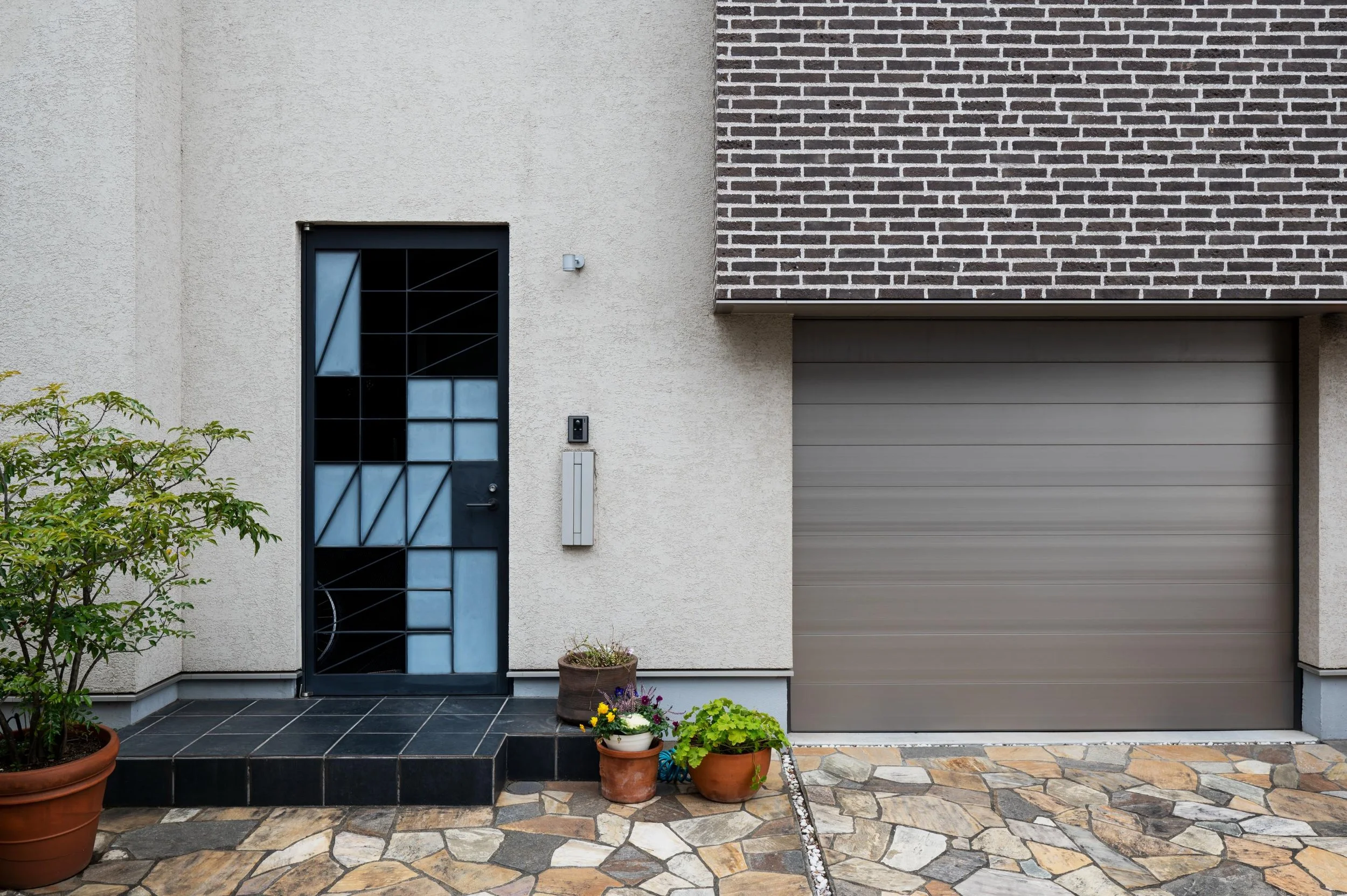
A garage door has to do more than look good from the street. It opens and closes every day, withstands heat, rain, and wind, and handles the occasional bump, yet still needs to fit the house's style. An experienced Arlington garage door company can help you narrow the choices so you do not end up with a door that looks fine now but becomes a headache later.
Steel: The Most Practical Choice for Most Homeowners
Steel is a popular choice among homeowners because it is sturdy, reasonably priced, and easy to maintain. It does not swell, split, or rot, which makes it easier to live with than wood in many climates. A good steel door can handle daily use for years without needing much beyond basic care.
Quality matters with steel, though. A thin builder-grade door may dent more easily, rattle more, and show wear sooner. Heavier doors from C.H.I., Door Link, and Amarr use stronger panels and better hardware, which helps the door feel better and last longer.
Wood: Strong Visual Appeal, Real Maintenance Demands
Wood garage doors have a look that is hard to fake. They can suit older homes, custom homes, and properties where the garage door is a big part of the front exterior. They can also be stained or painted to match trim, shutters, or other details.
The catch is upkeep. Wood reacts to heat, moisture, and seasonal changes, so it needs to be sealed, stained, and checked regularly. Skip that care for too long, and the door can swell, crack, or warp.
Aluminum: Rust-Resistant but Not Impact-Resistant
Aluminum works well in places where rust is a concern. It is lighter than steel, which can be easier on the opener, springs, and other moving parts. For homes near heavy moisture or salt air, that can be a real benefit.
It is not the strongest choice against dents. A bike handle, hail, a tool, or a light tap from a car can leave a mark. For homes farther inland, steel usually holds up better against daily bumps and wear.
Fiberglass and Composite: Built for Humidity
Fiberglass and composite doors are often used when homeowners want a wood-style look without the upkeep of real wood. They handle moisture better than real wood and do not rot. In humid areas, this can make them easier to own over time.
Fiberglass is not perfect in every climate. It can become brittle when temperatures get very cold. Composite usually offers a closer wood appearance with better durability, making it a solid option for homes where moisture is the main concern.
Vinyl: Low Maintenance, Fewer Style Options
Vinyl is a low-fuss material. It does not rust, does not need paint, and can usually be cleaned with a quick rinse or wash. For homeowners who want a door that stays neat without much work, vinyl can make sense.
The tradeoff is appearance. Vinyl usually comes in fewer colors, textures, and design options than steel or wood. If the home needs a specific architectural look, vinyl may not offer enough flexibility.
What We Install and Why
We install garage doors from C.H.I., Door Link, and Amarr because their doors are built for daily residential use. The hardware matters just as much as the panels, so we look for stronger steel, steel ball-bearing rollers with nylon coating, oversized hinges, and heavy-duty tracking. Those details are not always obvious on day one, but they show up after years of opening and closing.
Every job starts with an on-site quote before work begins. Our parts and installation are backed by a warranty, and we have worked with homeowners since 1988. To request a quote or schedule a consultation, call (888) 973-0061 any day of the week.
Related Topics: