The Impact of Humidity and Heat on Garage Doors
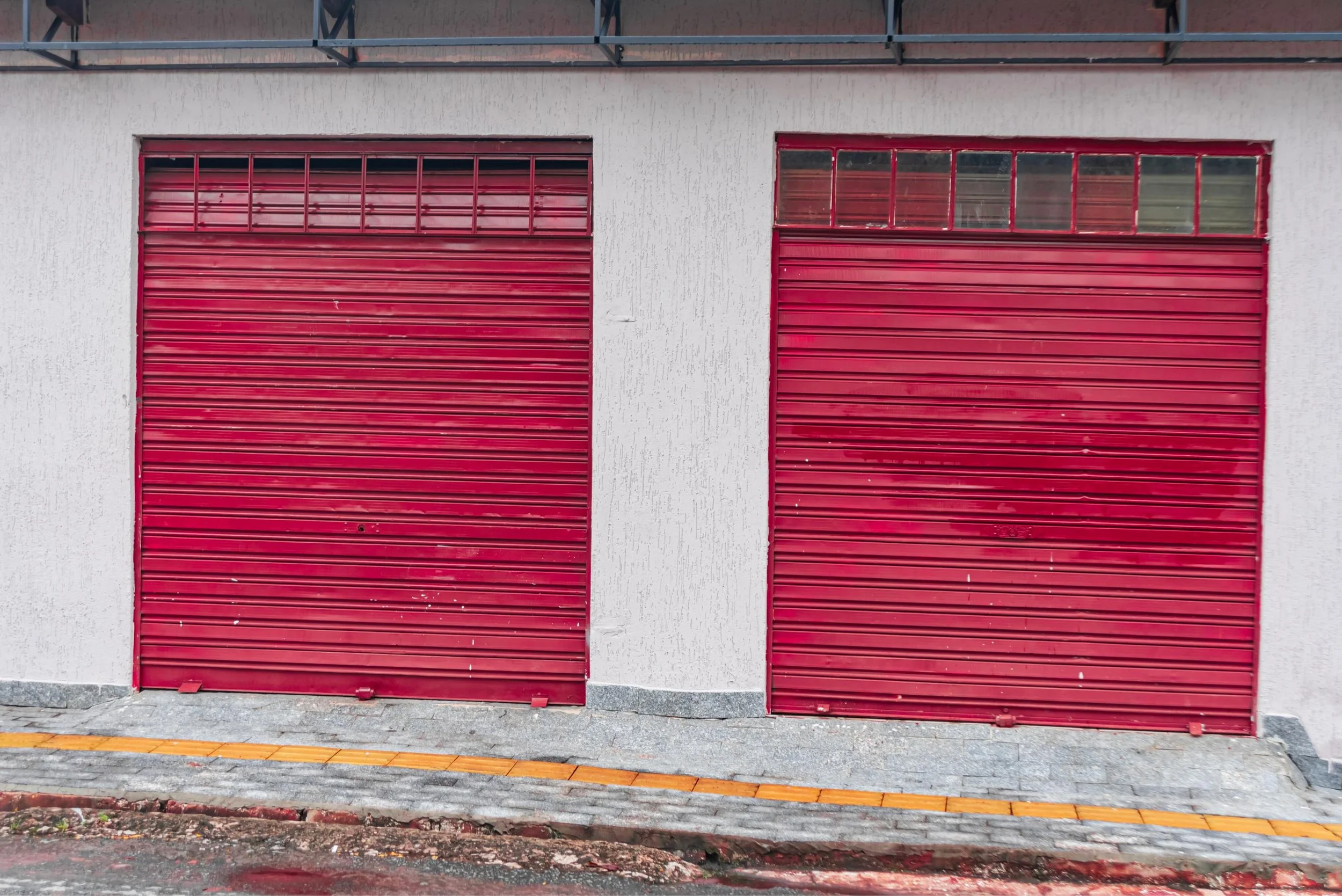
Hot, humid weather can be rough on a garage door, even if the damage is not obvious right away. Moisture, sun exposure, and heat cycles can wear down panels, hardware, springs, seals, and openers over time. If your door is getting noisy, sticking, or showing signs of rust, dependable door repair can help catch the issue before a worn part fails.
What Humidity Does to Wood Garage Doors
Wood is the material that reacts the most to humidity. It absorbs moisture when the air is damp, then dries and contracts when temperatures rise. After enough of those cycles, the panels can warp, crack, or pull out of alignment.
A wood door in a humid climate needs steady care. Sealing, staining, and checking for peeling paint or soft spots can help slow the damage. Homeowners who want a wood look without the upkeep may be better served by composite or fiberglass.
How Heat Affects Steel Doors and Hardware
Steel handles humidity better than wood, but heat still affects the full system. Springs, hinges, tracks, rollers, and panels expand and contract as temperatures change. Over time, that movement can add stress to parts that already work hard every day.
Springs are often the first part to show wear in extreme heat. High temperatures can speed up metal fatigue, especially on a door used several times a day. A steel door with a stronger factory finish, such as those from C.H.I., Amarr, or Door Link, usually holds its color and surface better than thinner builder-grade options.
Opener Performance in Hot Conditions
Garage door openers already create heat while they run. In a hot garage, the motor can work under extra strain, especially if the door is heavy or out of balance. That added load can shorten the opener’s life.
Heat is rarely the only reason an opener struggles. A door with worn springs, damaged rollers, or poor balance forces the motor to do more work than it should. A yearly tune-up can catch those problems before the opener burns out.
The Best Door Materials for Hot, Humid Climates
Steel with a quality finish is a solid choice for many hot and humid areas. It is strong, easy to maintain, and holds up well when the door is properly installed. Insulated steel can also help with heat transfer and add stiffness to the panels.
Composite and fiberglass are good options for homeowners who like the look of wood but do not want constant maintenance. Aluminum resists rust, which helps in near-coastal air, though it dents more easily than steel. Vinyl handles moisture well, but the style choices are usually more limited.
Signs Your Door Has Weather-Related Damage
Warped panels, uneven movement, and new gaps around the door can point to weather damage. Rust along the bottom edge of a steel door may mean moisture has broken through the finish. Faded, chalky, or blistered paint can also show that sun and heat are wearing down the surface.
Hardware can show problems, too. Noisy springs, corroded hinges, rough rollers, or a door that feels heavy during manual lifting should be checked. Some signs are cosmetic, but others mean a part may be close to failing.
How to Protect Your Garage Door from Heat and Humidity
Clean the door surface once or twice a year with mild soap and water. Dirt, pollen, and grime can trap moisture against the panels. A simple wash can help the finish last longer.
Lubricate moving parts at least once a year with a silicone-based garage door lubricant. Apply it to hinges, rollers, springs, and the proper track contact points. Avoid standard WD-40 on garage door parts because it can strip lubrication and leave metal more exposed.
Check the bottom seal each year. A cracked or flattened seal lets moisture and hot air into the garage. Replacing that strip can help protect the door, floor, and lower hardware.
When to Call for Service
Call for service if the door starts moving unevenly, making new noises, or feeling heavier than usual. Rusted rollers, worn springs, damaged seals, or warped panels are easier to handle before the door stops working. A service visit can also confirm whether the issue is weather wear or a failing part.
Our team serves areas where heat and humidity are part of daily life for much of the year. We arrive stocked for most repairs and can often finish the work in one visit. To schedule service, call (888) 973-0061 Monday through Friday from 7 AM to 9 PM, Saturday from 8 AM to 8 PM, or Sunday from 9 AM to 7 PM CST.
Related Topics: