
How Long Do Garage Doors Typically Last?
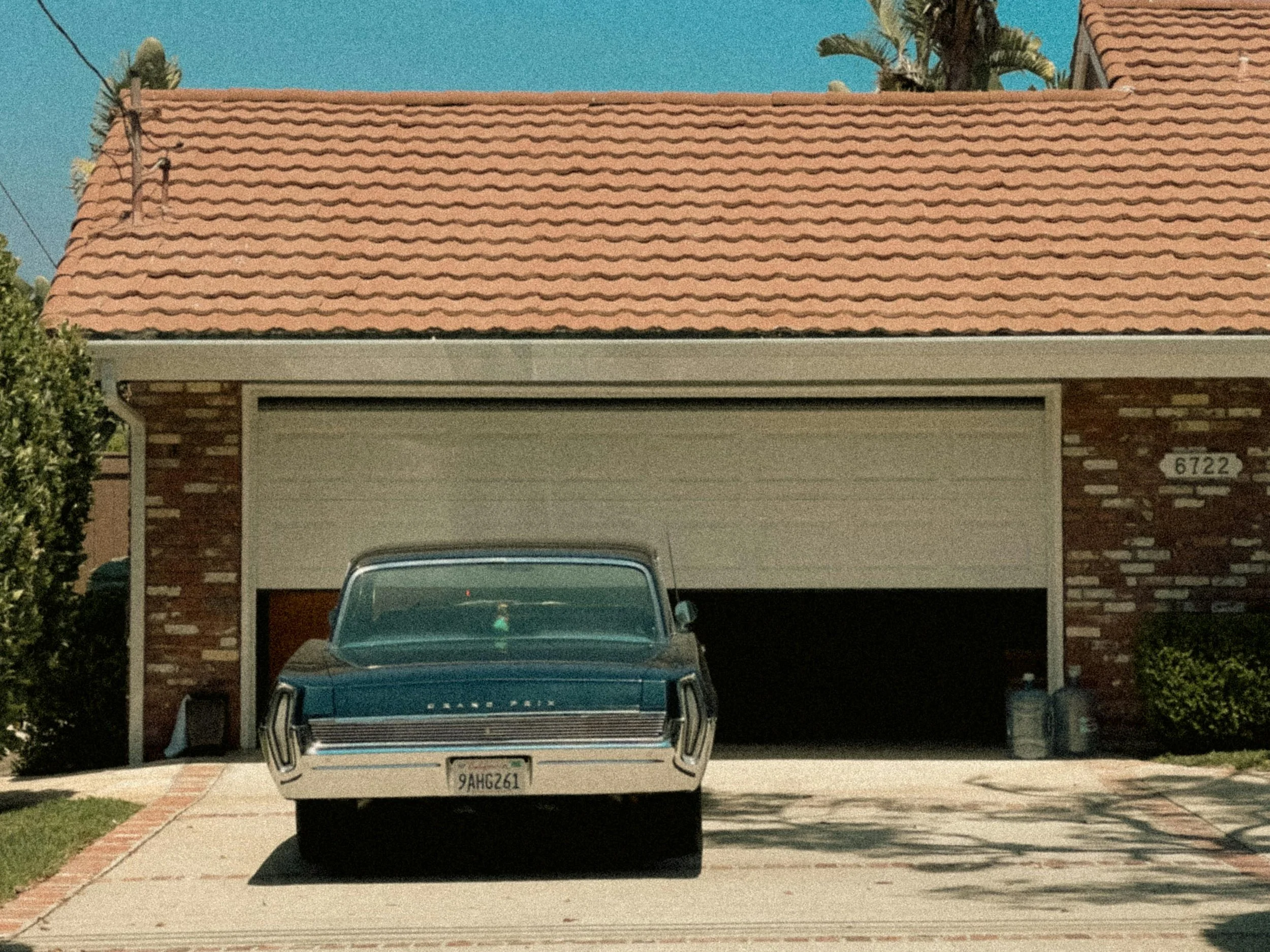
A garage door can last anywhere from 15 to 30 years, but that range depends heavily on what the door is made of, how often it runs, and whether it gets any maintenance along the way. Some doors hold up well past the 25-year mark. Others start failing at 12. The difference usually comes down to a few predictable factors. A dependable garage door company in Arlington can help ensure your door reaches its full lifespan with proper maintenance.
Here is what determines how long a garage door lasts, what signs tell you a door is nearing the end, and how to decide between repair and full replacement.
What Affects How Long a Garage Door Lasts
Material is the biggest factor. Steel doors, especially insulated steel, outlast wood and hollow-core alternatives by a significant margin. A 3-layer insulated steel door built with commercial-grade hardware can last 25 to 30 years with reasonable care. A non-insulated single-layer steel door in a high-use household may start showing structural fatigue well before the 20-year mark. Wood doors are more vulnerable to warping, rot, and weather damage, which tends to shorten their usable life unless they are properly sealed and maintained.
Usage cycle count matters more than age alone. A garage door that opens and closes 8 to 10 times a day ages faster than one that runs twice daily, even if the calendar year is the same. The moving parts (springs, cables, rollers, and hinges) are all rated for a specific number of cycles, not a fixed number of years.
Climate puts stress on every part of the system. Extreme heat and cold cause metal hardware to expand and contract repeatedly. Moisture accelerates rust on springs, cables, and tracks. Doors in coastal or high-humidity climates tend to require more frequent hardware attention than those in dry regions.
Maintenance extends life measurably. A door that gets annual tune-ups (lubrication, balance checks, hardware inspection) will consistently outlast one that runs without attention until something breaks. Small problems caught early rarely become expensive ones.
How Long Do Specific Parts Last?
The door panel itself is only one part of the system. The hardware and mechanical components have their own lifespans, and they often fail before the door itself needs replacement.
Torsion springs: Rated for roughly 10,000 cycles. At two uses per day, that is approximately 13 to 14 years. High-cycle households may see spring failure in 5 to 7 years. Springs are among the most commonly replaced components on any door system.
Cables: Typically last 8 to 15 years. Fraying or snapping is usually the failure mode, and it often happens alongside spring wear since both components share the load of lifting the door.
Rollers: Steel rollers last longer than nylon, but both typically need attention or replacement every 7 to 12 years, depending on usage and lubrication habits.
Hinges and tracks: With proper lubrication and no physical damage, hinges and tracks can last the full life of the door. Impact damage from a car bump or debris is the more common cause of early failure.
Garage door openers: Most openers last 10 to 15 years. Older units may still run but lack modern safety features, rolling code security, or smart home compatibility. A door in good structural condition paired with an aging opener is a common situation, and the opener replacement does not require a new door.
Signs Your Garage Door Is Getting Close to End of Life
A door that is approaching the end of its usable life tends to give clear signals. None of these alone is a definitive reason to replace, but a cluster of them points toward a replacement conversation rather than another repair.
Panels are visibly warped, cracked, or corroded at multiple points
The door runs unevenly or shakes on its way up and down
Repairs are happening more frequently (springs, cables, and rollers are replaced within short intervals)
The door lets in drafts or light around the edges, even when fully closed
Noise has increased significantly despite lubrication
The door has sustained impact damage across multiple sections
A door with one worn component is a repair situation. A door with worn panels, worn hardware, and a failing opener all at the same time is a replacement situation.
Repair or Replace? A Straightforward Way to Think About It
If the door panels are structurally sound, repairing the hardware is almost always the better call. Springs, cables, rollers, and sensors are all serviceable parts with clear replacement costs. A well-built door with new hardware performs like a new system.
If the panels themselves are compromised (warped, rusted through, cracked from impact), the calculation changes. Replacement panels may or may not be available for older models, and in some cases, the cost of sourcing matching sections approaches the cost of a new garage door installation. A technician can assess whether a panel match is feasible before any decision is made.
If the door is more than 20 years old and the opener is original, replacing both at the same time is often the more cost-effective path. Doing them separately means two service calls, two sets of labor, and, in some cases, a mismatch between an upgraded opener and an older door's hardware configuration.
How to Get More Years Out of the Door You Have
Lubricate every six months. Use a silicone-based spray or white lithium grease on the rollers, hinges, springs, and track. Skip WD-40. It is a solvent, not a lubricant, and it strips existing grease.
Schedule an annual tune-up. Our technicians check the balance, test the safety reversal mechanism, inspect hardware for wear, and catch small issues before they turn into broken springs or snapped cables. Most homeowners skip this until something fails. The ones who schedule it consistently get more years out of every component.
Test the balance every few months. Disconnect the opener using the emergency release cord, lift the door manually to about waist height, and let go. A balanced door stays put. One that falls or shoots up has a spring tension problem worth addressing before the springs give out completely.
Keep the tracks clear and clean. Debris in the track causes rollers to bind and puts uneven stress on cables and springs.
Frequently Asked Questions
How long do garage doors typically last? Most residential garage doors last between 15 and 30 years, depending on material, usage frequency, climate, and maintenance history. Insulated steel doors with commercial-grade hardware tend to last longest.
How long do garage door springs last? Standard springs are rated for about 10,000 cycles. At two uses per day, that is roughly 13 to 14 years. Higher-use households may need spring replacement sooner.
How long do garage door openers last? Most openers last 10 to 15 years with regular maintenance. If yours is older and showing signs of wear (slow response, frequent malfunctions, no smart home features), a garage door opener replacement is worth considering.
Should I repair or replace my old garage door? If the panels are structurally sound, repair the hardware. If the panels are warped or damaged across multiple sections, get a replacement quote and compare it to the cost of sourcing matching panels. A technician can assess both options on the same visit.
Does an insulated garage door last longer? Yes, generally. Three-layer insulated steel doors are more rigid and more resistant to denting and warping than single-layer panels. They also tend to perform better in temperature extremes.
How do I know if my garage door needs a tune-up? A door that runs louder than it used to, moves unevenly, or feels heavier when operated manually is showing signs it needs attention. Annual tune-ups are the standard recommendation regardless of whether anything feels wrong. Schedule a service visit, and our technicians will run a full inspection.
Ready to Have Your Door Inspected?
If your door is aging, running rough, or you just are not sure where it stands, we are available to assess it. Our technicians quote before starting any work with no surprises. We handle garage door repair, new door installation, opener services, and annual maintenance, all through the same team.
Call us at (888) 973-0061 or schedule an appointment online. We are available Monday through Friday from 7 AM to 9 PM CST, Saturday from 8 AM to 8 PM, and Sunday from 9 AM to 7 PM.
Related Topics: