
How to Tell If Your Garage Door System Is Structurally Failing
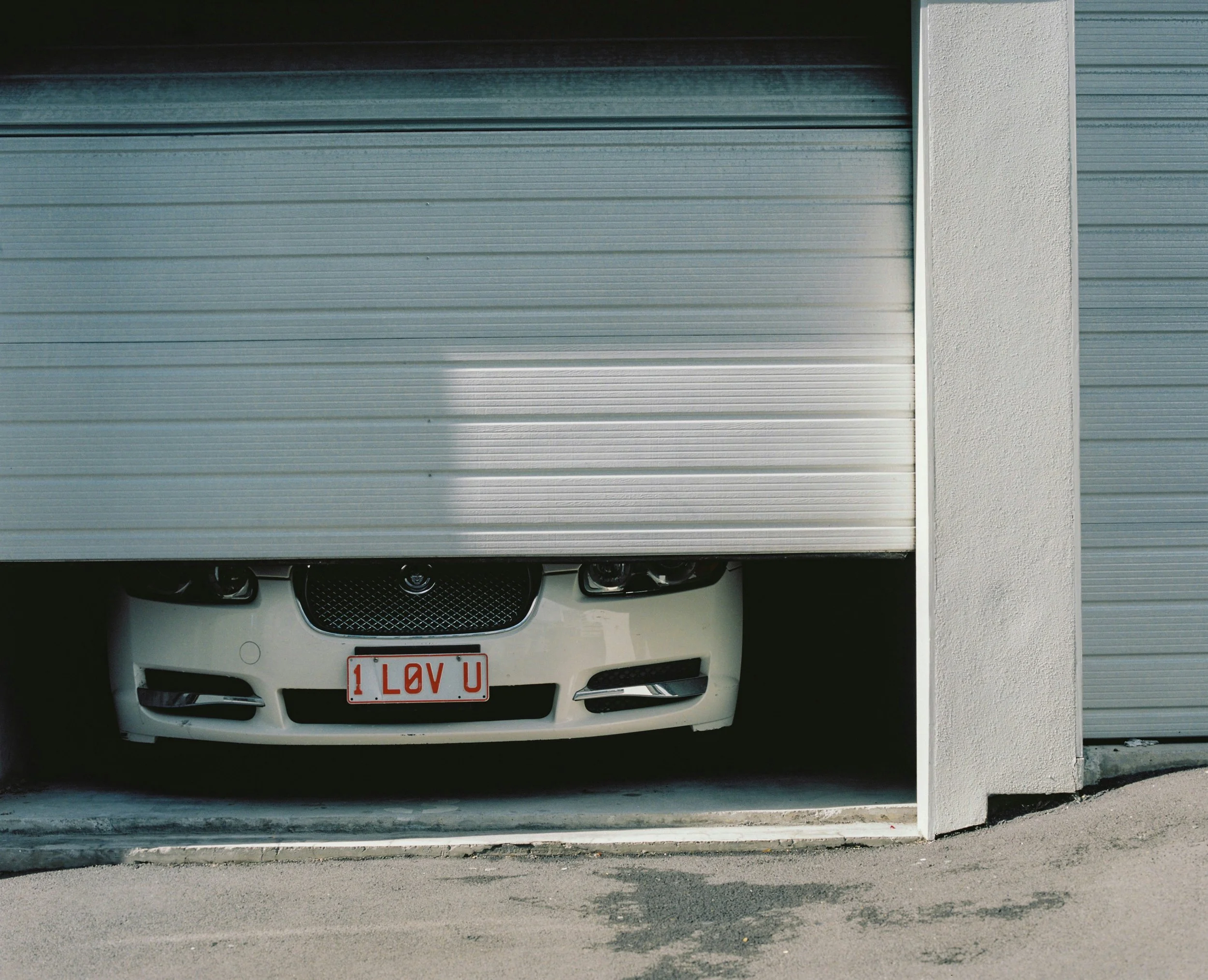
A garage door that is wearing out does not usually stop working all at once. It gives signals first, some obvious, some easy to dismiss as minor annoyances. The problem is that most homeowners treat those signals as background noise until something breaks or the door stops moving entirely.
Structural failure in a garage door system is not always a single dramatic event. It is often a pattern of compounding problems: a spring that gets replaced, then a cable, then increasing noise, then a door that starts moving unevenly. Each individual issue seems manageable on its own. Taken together, they point toward a system that is past the point where repairs alone solve anything. Consulting garage door specialists in Arlington early can help identify these issues before they become serious.
Here is how to read those signals accurately and what to do when they point toward real structural deterioration.
What Structural Failure Means in a Garage Door System
Structural failure does not always mean the door collapsed or the panel caved in. It means the system can no longer perform its basic function safely and reliably: opening, closing, staying balanced, and holding its position without mechanical assistance.
A structurally failing garage door may still open and close. It just does so unevenly, loudly, or with visible stress on the hardware. Left unaddressed, that stress accelerates wear on every connected component. Springs, cables, rollers, tracks, and the opener motor all work harder when the door is out of balance or misaligned.
Warning Signs That Go Beyond Normal Wear
The door moves unevenly. One side rises faster than the other, or the door appears to tilt as it opens. This points to a spring tension imbalance, a cable that has stretched or partially frayed, or a track that is no longer properly aligned. A door that consistently runs lopsided is putting an uneven load on every part of the system.
Panels are visibly warped, bowed, or cracked. Minor surface dents are cosmetic. A panel that has bowed inward or outward along its full width, or one that has cracked across a horizontal seam, is a structural issue. Warped panels break the integrity of the door as a unit and often prevent the door from sealing correctly against the weatherstrip.
The door reverses unexpectedly. A door that starts closing and then immediately reverses without obstruction is typically reacting to a safety sensor issue or a close-force setting that is out of calibration. If adjusting the sensors does not resolve it, the opener may be detecting excessive resistance, which often means the door itself is binding somewhere in the track.
Sections no longer align when the door is closed. Stand inside the garage with the door closed and look at the horizontal seams between sections. Gaps or misalignment between panels indicate the door has warped, meaning the sections have shifted relative to each other. This happens after cable failure, track damage, or significant physical impact to the door.
Hardware is visibly corroded or broken. Rust on the springs, frayed cables, cracked rollers, bent hinges. Any of these can be repaired individually. When several of them appear together on the same door, it signals that the system as a whole has been running under stress and neglect for long enough that a piecemeal approach will not hold.
The door shakes or vibrates heavily during operation. Some vibration is normal. Shaking that you can hear from inside the house, or that rattles items on the walls, usually points to worn rollers, loose hardware, or a track that has shifted out of alignment. At a certain point, that vibration indicates the door is fighting the track rather than running along it cleanly.
Recurring repairs on the same components. If a spring has been replaced, then a cable, and now a roller, all within a relatively short period, the system is not just aging normally. It is cycling through failures because the underlying conditions (misalignment, poor balance, deteriorated hardware across the board) are putting abnormal stress on each part.
The Balance Test: A Reliable Structural Check
One of the most direct ways to assess whether a garage door system is under structural stress is the manual balance test. Here is how to do it:
Disconnect the opener by pulling the red emergency release cord hanging from the trolley. Lift the door manually to about waist height, roughly halfway up, and let go. A properly balanced door will hold its position with minimal drift. It may settle slightly, but it should not drop to the floor or shoot up toward the ceiling.
If the door falls quickly, the springs have lost tension and are no longer carrying the door's weight correctly. If it shoots up, the springs are over-tensioned. Either result means the system is out of balance, which puts additional strain on every other component every time the door runs.
A door that fails this test needs spring adjustment or replacement. Running an opener against an unbalanced door shortens the motor's life significantly and increases the risk of cable or hardware failure.
When Repair Is the Right Call vs. When It Is Not
Garage door repair is the right answer when the panels are structurally intact, and the failure is isolated to specific hardware components. A broken torsion spring, a snapped cable, a worn roller. These are all serviceable problems with a defined repair path. Our technicians stock parts on every truck and can handle most repairs on the first visit.
Repair becomes the wrong answer when:
The panel structure itself is compromised across multiple sections
The same components keep failing within short intervals
The door is badly out of alignment, and the tracks have sustained damage that cannot be corrected through adjustment alone
The cost of the repairs needed to restore safe operation approaches the cost of a new garage door
In those cases, continuing to repair is not cost-effective, and in some situations, it is not safe. We assess both paths on the same visit and give you a clear comparison before any work begins.
What About the Opener?
A structurally failing door puts an abnormal load on the opener motor. If the door is binding, misaligned, or out of balance, the opener works harder on every cycle. Over time, this burns out the motor faster and can damage the drive mechanism.
If you are replacing a structurally failed door, assess the opener at the same time. An opener that has spent years straining against a failing door may not have much service life left, even if it still runs. We can install and program a new garage door opener at the same visit as a door replacement, including LiftMaster Professional models with wifi, battery backup, and rolling code security.
Related Topics: